
Online Therapy vs In-Person Therapy: Which One Is Right for You?
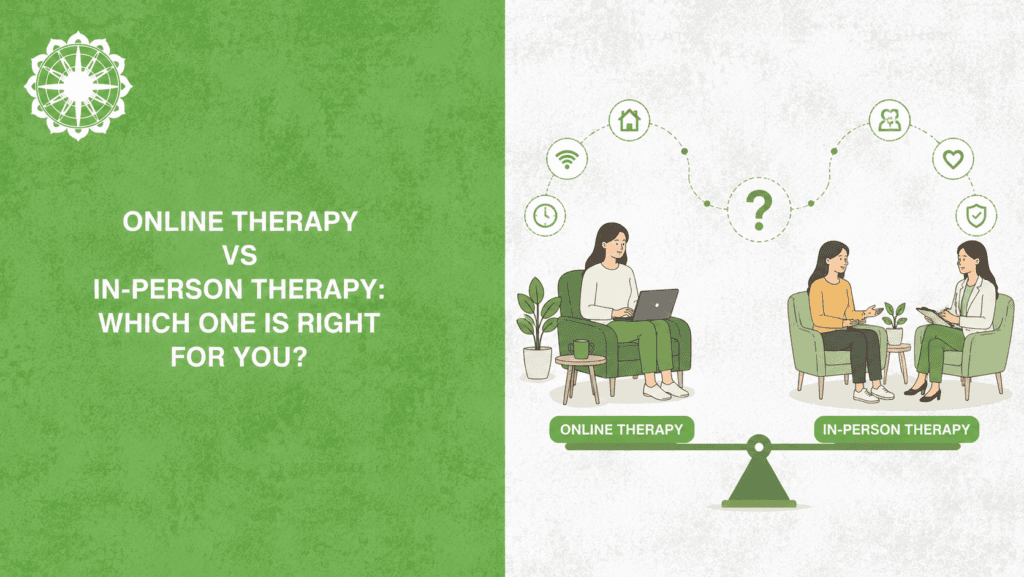
Seeking therapy is one of the most important investments you can make in your emotional well-being. Whether you’re experiencing stress, anxiety, depression, burnout, relationship challenges, or simply looking to understand yourself better, taking the first step towards therapy is something to be proud of.
One of the first questions many people ask is:
“Should I choose online therapy or visit a psychologist in person?”
The answer isn’t the same for everyone.
Both online therapy and in-person therapy are effective forms of psychological support. The right choice depends on your lifestyle, comfort level, mental health concerns, and personal preferences.
In this guide, we’ll compare both approaches to help you make an informed decision.
Understanding Modern Therapy
Therapy has evolved significantly over the last few years.
While traditional face-to-face counselling remains highly valuable, secure video consultations have made therapy far more accessible than ever before. Today, many psychologists offer both online and in-person sessions, giving clients greater flexibility without compromising the quality of care.
Research has shown that online therapy can be just as effective as in-person therapy for many common mental health concerns, particularly anxiety, depression, stress, and relationship issues, when delivered by qualified mental health professionals.
The most important factor isn’t where therapy happens—it’s the quality of the therapeutic relationship and your commitment to the process.
What Is Online Therapy?
Online therapy (also called virtual therapy or teletherapy) allows you to connect with a qualified psychologist through secure video calls, phone calls, or encrypted online platforms.
Sessions follow a structure similar to traditional therapy and typically last between 45 and 60 minutes.
You can attend sessions from:
- Your home
- Your office
- While travelling
- Another private location where you feel comfortable
Many people appreciate the convenience of being able to access professional mental health support without travelling to a clinic.
What Is In-Person Therapy?
In-person therapy takes place at a psychologist’s clinic or counselling centre.
You meet your therapist face-to-face in a dedicated therapeutic environment designed to provide privacy, comfort, and minimal distractions.
Some individuals prefer the experience of sitting across from their therapist, feeling physically present during conversations, and separating therapy from their everyday environment.
For certain assessments and specialised interventions, face-to-face sessions may also be recommended.
Online Therapy: Benefits
1. Greater Convenience
One of the biggest advantages of online therapy is convenience.
You don’t need to worry about traffic, parking, or commuting across Bengaluru after a long day at work.
This often makes it easier to attend sessions consistently.
2. Better Access to Specialists
Your ideal psychologist may not necessarily practice close to your home.
Online therapy allows you to choose the right therapist based on expertise rather than location.
Whether you’re looking for support with anxiety, trauma, relationships, parenting, or workplace stress, you’re no longer limited to nearby clinics.
3. More Comfortable Environment
Many people find it easier to talk openly from familiar surroundings.
Being in your own space can reduce anxiety and help you feel more relaxed during sessions.
4. Saves Time
For busy professionals, parents, entrepreneurs, and students, online therapy removes travel time entirely.
A one-hour session remains just that—one hour.
5. Increased Continuity
If you relocate, travel frequently, or have unpredictable schedules, online therapy allows you to continue working with the same psychologist without interruption.
Consistency is one of the most important factors in successful therapy.
In-Person Therapy: Benefits
1. Stronger Personal Connection
Some individuals feel more emotionally connected when speaking face-to-face.
Being physically present allows psychologists to observe subtle body language, posture, facial expressions, and emotional cues that may not always be visible online.
2. Fewer Home Distractions
At home, interruptions from family members, pets, deliveries, or phone notifications can affect concentration.
A therapy room provides a dedicated, distraction-free environment focused entirely on your wellbeing.
3. Ideal for Certain Assessments
Some psychological assessments, behavioural observations, and therapeutic activities are easier to conduct during face-to-face appointments.
For children and adolescents, in-person sessions may also allow psychologists to observe interactions more naturally.
4. A Dedicated Healing Space
Many people appreciate having a physical space associated solely with reflection, emotional processing, and personal growth.
The act of travelling to therapy can itself become part of a healthy self-care routine.
Which Therapy Option Is More Effective?
This is perhaps the most common question people ask.
The answer is encouraging:
For many mental health concerns, both online therapy and in-person therapy are equally effective when delivered by qualified psychologists.
Studies have shown positive outcomes for:
- Anxiety disorders
- Depression
- Stress management
- Workplace burnout
- Relationship concerns
- Emotional regulation
- Self-esteem challenges
The biggest predictor of success isn’t whether therapy happens online or in person.
It’s whether you:
- Feel comfortable with your therapist.
- Attend sessions consistently.
- Actively participate.
- Apply what you learn between sessions.
Who Should Choose Online Therapy?
Online therapy may be an excellent option if you:
- Have a busy work schedule.
- Travel frequently.
- Live outside Bengaluru.
- Have mobility limitations.
- Prefer speaking from your own home.
- Need flexible appointment timings.
- Experience social anxiety.
- Want to continue therapy while relocating.
Who May Benefit More from In-Person Therapy?
Face-to-face therapy may be better suited if you:
- Prefer personal interaction.
- Find it easier to build trust in person.
- Need psychological assessments.
- Feel distracted during online conversations.
- Want a structured therapeutic environment.
- Are seeking therapy for a child or adolescent where observation is important.
Can You Combine Both?
Absolutely.
Many people begin with in-person sessions to establish rapport before switching to online appointments for convenience.
Others alternate depending on work schedules or travel commitments.
A hybrid approach offers flexibility while maintaining continuity of care.
Common Myths About Online Therapy
“Online therapy isn’t real therapy.”
False. Qualified psychologists use the same evidence-based therapeutic approaches regardless of whether sessions are online or face-to-face.
“Video sessions aren’t private.”
Professional therapists use secure platforms designed to protect confidentiality. Clients are also encouraged to attend sessions from a private location where they feel comfortable speaking openly.
“Online therapy is only for mild problems.”
Not true. Many individuals successfully receive support online for anxiety, depression, stress, relationship concerns, and emotional wellbeing. However, in certain situations involving complex mental health needs, psychologists may recommend face-to-face care or collaborate with psychiatrists when appropriate.
Tips for Making the Most of Online Therapy
If you choose online therapy:
- Find a quiet, private room.
- Use headphones for better privacy.
- Ensure a stable internet connection.
- Join sessions a few minutes early.
- Keep distractions away.
- Treat the appointment as seriously as an in-person visit.
- Reflect on key takeaways after every session.
Small preparations can make online therapy feel just as meaningful as meeting in person.
Frequently Asked Questions
Is online therapy confidential?
Yes. Reputable mental health professionals use secure communication platforms and follow professional confidentiality standards.
How long does an online therapy session last?
Most sessions last between 45 and 60 minutes.
Can I switch from online to in-person therapy later?
Yes. Many clients move between online and in-person sessions depending on their circumstances.
Is online therapy suitable for anxiety?
Yes. Online therapy is commonly used to support individuals experiencing anxiety, stress, panic attacks, and related concerns.
Which option is more affordable?
Costs vary depending on the therapist and type of service rather than the format itself.
Final Thoughts
There is no universal “better” option when choosing between online therapy and in-person therapy. The right choice depends on your comfort level, lifestyle, goals, and the type of support you need.
What matters most is taking the first step towards seeking help. Whether you connect with a psychologist online or meet face-to-face, therapy provides a safe space to understand yourself better, build healthier coping strategies, and improve your overall emotional wellbeing.
At Inspiron Health, we offer both secure online therapy and in-person consultations across Bengaluru, making it easier for you to access compassionate, evidence-based mental health support in the way that suits you best.
Ready to begin your therapy journey? Contact Inspiron Health today to book an appointment and find the support that’s right for you.